Best Korean Hot Sauces Available in the UK
Korean hot sauces go beyond gochujang. From fermented chilli pastes to vinegar-based sauces, here are five that bring different kinds of heat to your cooking, all available in Britain.
Korean Heat Is Different
Korean hot sauces operate differently from Western ones. Where Tabasco or Sriracha deliver a sharp, vinegar-forward burn, Korean sauces tend towards a deeper, more complex heat — fermented, slightly sweet, and layered with umami. The chilli is present but it works with other flavours rather than dominating them. This makes Korean hot sauces more versatile in cooking and more interesting as condiments.
The Five Best Options
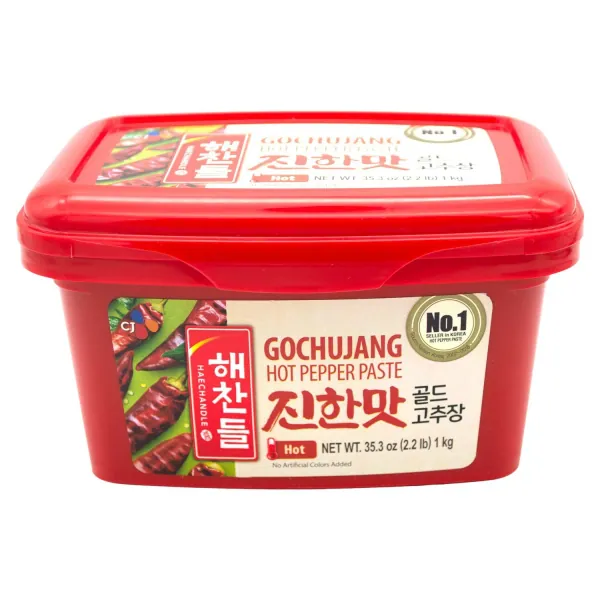
**Gochujang** is the foundation of Korean heat. CJ Haechandle's version is the market leader and serves as both a cooking ingredient and a condiment. The heat is moderate, the sweetness is pronounced, and the fermented depth makes it work in marinades, stews, dipping sauces, and even salad dressings. If you buy one Korean sauce, this is it.
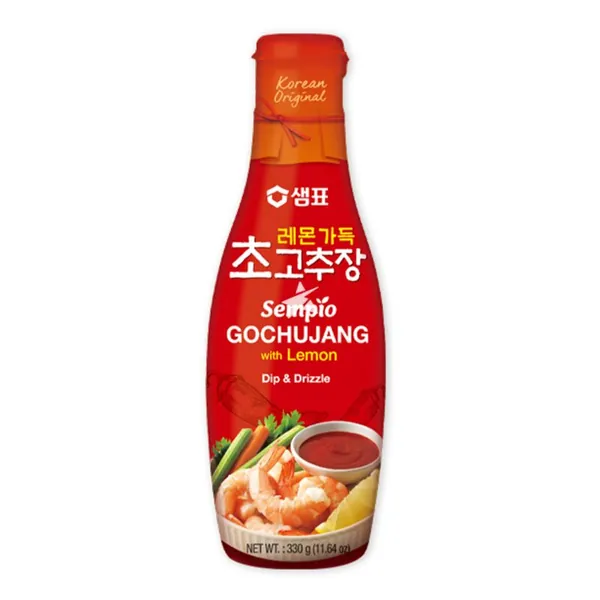
**Cho-gochujang** (vinegar chilli sauce) is gochujang's lighter, tangier cousin. The addition of rice vinegar makes it thinner, sharper, and perfect as a dipping sauce for raw fish (hoe), seafood, and fresh vegetables. Sempio's version is well balanced and ready to use straight from the bottle. It is particularly good drizzled over a poke bowl or used as a dip for dumplings.
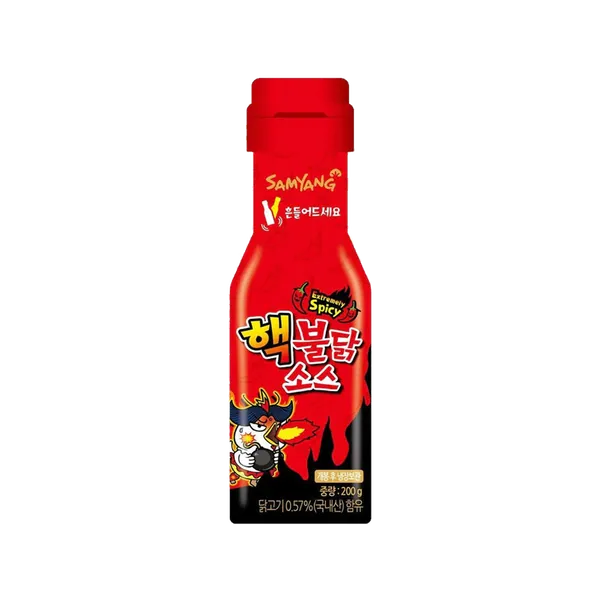
**Samyang Buldak Sauce** is the bottled version of the fiery sauce from the famous Buldak Hot Chicken noodles. This is serious heat — capsaicin-forward, sweet, and intense. Use it sparingly as a finishing sauce on fried chicken, pizza, or anything that needs a Korean chilli kick. A little goes a very long way.
**CJ Cheongyang Chilli Sauce** is named after Korea's hottest chilli pepper variety and delivers a cleaner, more direct heat than gochujang. It is closer in format to a Western hot sauce — thin enough to drizzle, hot enough to respect. Good on eggs, grilled meat, and noodles.
**Ssamjang** is technically a dipping paste rather than a hot sauce, but its combination of doenjang, gochujang, garlic, and sesame makes it one of the most flavour-packed condiments in Korean cooking. It is the traditional accompaniment to grilled meat wrapped in lettuce leaves, but it also works as a spread, a dip for vegetables, or a flavour bomb stirred into fried rice.
Using Korean Hot Sauces
The key insight is that most Korean hot sauces are not designed to be used like Tabasco — dashed onto finished food. They are cooking ingredients as much as condiments. Gochujang goes into marinades and stews. Ssamjang is a dip. Cho-gochujang dresses raw dishes. Only the Buldak sauce and Cheongyang sauce work as conventional hot sauce additions. Understanding this distinction is the difference between using Korean sauces effectively and treating them like spicy ketchup.