How to Make Korean Fried Chicken at Home
Korean fried chicken is double-fried for an impossibly crispy coating that stays crunchy even under a thick glaze of gochujang or soy garlic sauce. Here is how to make it at home with the right ingredients.
What Makes Korean Fried Chicken Different
The secret to Korean fried chicken (known as chikin or KFC in Korea) is the double-fry technique. The chicken is fried once at a lower temperature to cook it through, rested, then fried again at a higher temperature to create an extraordinarily crispy shell. Unlike Western fried chicken, the batter is thinner — often using a mix of flour and cornstarch or potato starch — which produces a shatteringly crisp coating rather than a thick, bready one. This thin, glass-like crust is what allows it to hold up under heavy sauces without going soggy.
The Three Classic Sauces
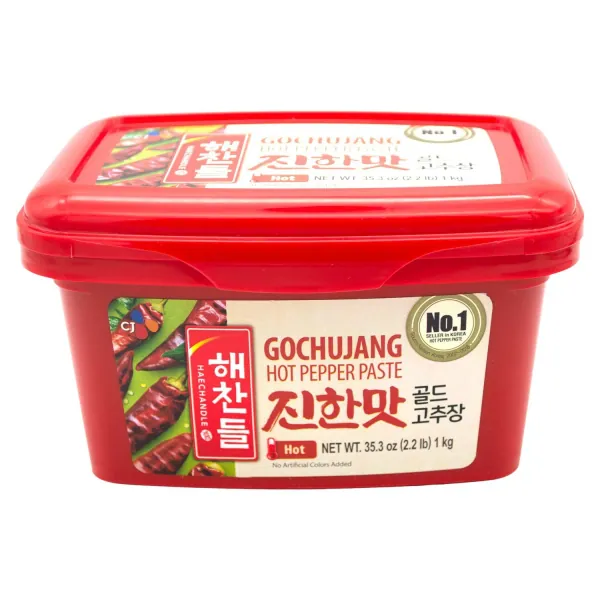
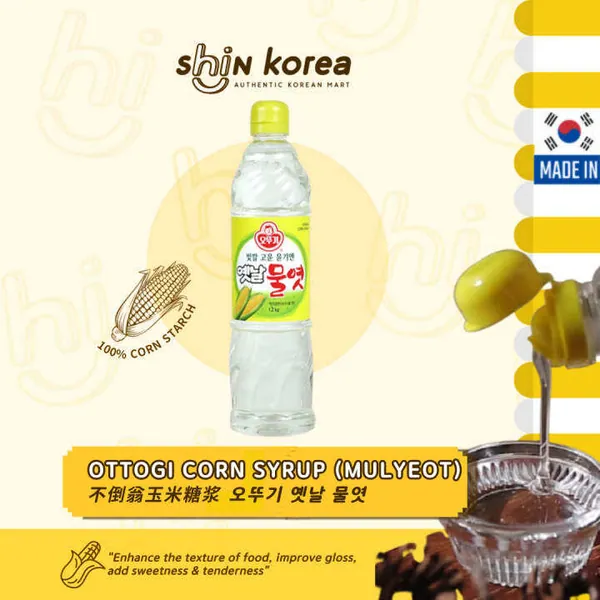
Korean fried chicken comes in three essential styles. **Yangnyeom** (양념) is the sweet-and-spicy version — a sticky, glossy red sauce made from gochujang, corn syrup (mulyeot), garlic, and sometimes ketchup. It should coat the chicken in a thick, lacquer-like glaze. **Ganjang** (간장) — soy garlic — is the second pillar: soy sauce, garlic, brown sugar, a touch of rice vinegar, reduced until sticky. And **plain salted** (후라이드) is the third — unsauced, just heavily seasoned before frying, letting the double-fry texture speak for itself. Many Korean chicken shops serve a half-and-half (반반) so you get two flavours from one order; ordering three sauces across a group is how Korean chimaek nights work.
How to Make It
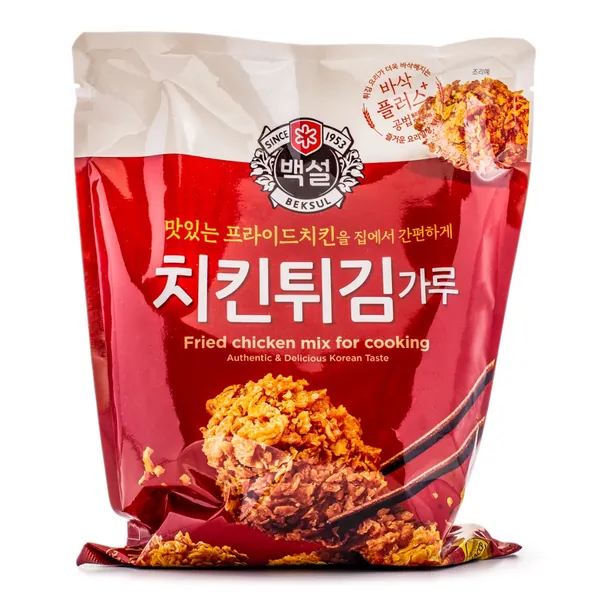
Start with chicken wings or boneless thigh pieces. Pat them very dry — moisture is the enemy of crispiness. Toss them in CJ Beksul's frying mix (or make your own from plain flour and potato starch at a 1:1 ratio) and let them rest for ten minutes so the coating adheres. Fry at 165 degrees Celsius for eight minutes — this cooks the chicken through without colouring the coating too much. Remove and rest for five minutes so surface moisture migrates out. Then fry again at 180 degrees for three to four minutes until deeply golden and audibly crisp. While the chicken fries, make your sauce by combining gochujang, corn syrup, minced garlic, soy sauce, and a splash of rice vinegar in a pan over medium heat until it bubbles and thickens slightly.
UK Adaptations
A few things translate oddly when you shop for this in the UK. Potato starch outperforms cornflour for the coating — it fries harder and stays crispier for longer. Tesco's "potato starch" aisle shelf is thin, so Amazon, Sous Chef, or an oriental supermarket is the easier source. British chicken thighs tend to run larger than Korean supermarket pieces, so butchering boneless thighs in half before frying keeps cook times honest. Mulyeot (Korean corn syrup) is not optional if you want the authentic glossy glaze — golden syrup is a usable substitute in a pinch, honey less so, because honey scorches under the heat needed to tack the sauce to the crust. For gochujang in the sauce, Sunchang at mid-75 GHU gives a heat level that reads "spicy, not punishing" to most UK palates.
Tossing and Serving
Toss the hot chicken in the sauce immediately after the second fry — the heat helps the glaze stick. Scatter with roasted sesame seeds and thinly sliced spring onions. Serve with pickled radish (danmuji) on the side. In Korea, fried chicken is traditionally eaten with beer (a combination called chimaek — chicken plus maekju), but it works just as well with a cold glass of anything. The key is eating it quickly. Even the best Korean fried chicken loses its magic if it sits around too long.
Tips for Success
Use a deep pan or Dutch oven rather than a shallow frying pan — you want enough oil to submerge the pieces. A cooking thermometer is worth the small investment to keep your oil at the right temperature. If you cannot find CJ Beksul frying mix, a 50/50 blend of plain flour and cornflour with a teaspoon of baking powder produces similar results. And do not skip the rest between fries — that five minutes allows moisture to migrate to the surface, which the second fry then blasts away.